

Email marketing is meant to be one of the easiest ways to stay connected with new leads and the people already in your database.
And yet, agents say things like:
- “I know I should send newsletters, but I never do.”
- “It takes too long.”
- “I don’t know what to say.”
Maybe you feel the same. You have every intention of sending a newsletter, but the next day you’re juggling open homes, contracts, inspections, and a client who suddenly wants to see six properties before dinner.
So long, best laid plans.
Creating a real estate newsletter shouldn’t feel like a dreaded marketing task. It should be a quick win that helps you stay in touch – something you’re proud to send and that you can envision someone reading with their morning coffee.
Yet the challenge with real estate newsletters is not just writing one good email. It’s maintaining consistency. If it all feels overwhelming, you’re not alone, and there is a fix.
This guide explains what makes a real estate newsletter effective, why many fail, and how to build one that’s genuinely enjoyable to read and simple to send without magically finding more days in your week.
Jump to What You Need
- What is real estate newsletter
- Why real estate newsletters work
- What makes a great real estate newsletter
- Real estate newsletter ideas and samples
- Should you automate your real estate newsletters?
- Get started with ActivePipe
- Frequently Asked Questions
What is a Real Estate Newsletter?
A real estate newsletter is a recurring email sent to your database to maintain visibility, build trust, and stay relevant between transactions.
Unlike a blog post, which lives on your website, a newsletter lands directly in a client’s inbox and has multiple stories or points of interest.
When done well, real estate newsletters keep you top of mind, reinforce your local expertise, and even encourage referrals.
Whether you are using a simple newsletter template or a more advanced CRM-based system built for real estate agents, the goal remains the same: create a touchpoint for the consistent people already connected to your business.
Why Real Estate Newsletters Work
Email remains one of the highest-return marketing channels, and Forbes Advisor reports an average ROI of $36 per dollar spent on email marketing.
For real estate agents, newsletters provide a way to drive awareness and traffic to listings and blog content, and to flag open houses, without relying on social media algorithms to choose when to serve your content.
The most effective newsletters feel relevant and engaging – like a trusted friend is giving you the heads up.
You might not even notice this, but your favourite newsletters have likely been tailored to you based on where you are in the sales journey, so they feel relevant to your needs. You too can set up newsletters that show different content depending on whether you have active buyers, past clients, investors, or readers interested in luxury real estate newsletters.
What Makes a Great Real Estate Newsletter?
Strong real estate newsletter examples follow a few consistent principles: clarity, relevance, and repeatability. Let’s break a newsletter down into the components you need.
1. Subject line
Subject lines determine whether your newsletter gets opened.
Generic titles such as “March Newsletter” or “Market Update” are easy to ignore. Instead, focus on location-specific insights or useful information.
Examples include:
- Westlake Market Update: What Sold in February
- 3 Things Sellers Should Know in West Auckland
- Is Now a Good Time to Buy in Melbourne?
Personalisation tokens can also improve engagement. These allow your email platform to automatically insert the reader’s name or location, making the message feel more personal.
2. Header
The header establishes your newsletter’s visual identity.
A strong header should include your logo, maintain consistent colours and fonts, and avoid heavy imagery.
Large images can slow loading times and push the main content further down the email. A clean, simple header reinforces professionalism while keeping the focus on the information readers care about.
Your newsletter should feel structured and familiar each month.
3. Your expertise
Your expertise or take is typically the core of a real estate newsletter.
However, many newsletters rely on broad national statistics that do little to help residents understand their local situation, or generic market talk that doesn’t resonate.
A more effective approach is to tailor market insights based on their location or contact category. Someone living in a suburban single-family home may care about very different data than an investor focused on apartments in an urban area!
Instead of broad statistics, include concise local insights such as median sale price, average days on market, and current inventory levels.
A single sentence interpreting the data can provide valuable context.
For example:
- Median home prices in Paddington rose 4 per cent month-over-month, while inventory remains tight at 1.3 months. Sellers are still seeing strong demand for well-priced properties.
4. Featured listings
Avoid turning your newsletter into a property catalogue. Instead, treat listings as a snapshot of the market. A typical newsletter might include one or two new listings, an upcoming open house, or a recently sold property with brief context.
Integrations can automatically pull listing data into your newsletter, reducing manual entry and ensuring property details remain accurate.
Adding a short note can make the listing feel more meaningful – for example: “This home sold in six days after multiple offers.”
5. Local content
Not every contact is buying or selling right now, but your database as a whole should feel included with your updates.
You should include:
- 2–3 local events
- A short homeowner tip
- A blog post link
- A seasonal checklist/reminders
Even if someone isn’t in a transaction mindset, your newsletter should still feel relevant.
6. Send consistently
There is no universal “best” send time for a real estate newsletter. Your audience will likely include buyers, sellers, investors, and past clients — all with different routines.
However, analysis of more than two million campaigns shows:
- Mornings (8 AM–11 AM) perform best for visibility
- Evenings tend to drive stronger click engagement
If you are sending manually, choose one consistent window and stick to it. Consistency builds familiarity, and you can start to become part of people’s routines.
Real Estate Newsletter Ideas & Samples
These real estate newsletter samples show how agents can stay in touch with their audience through regular updates. From property highlights to local market insights, real estate newsletters help maintain visibility with buyers, sellers, and past clients.
Here’s an example of how this looks in practice.
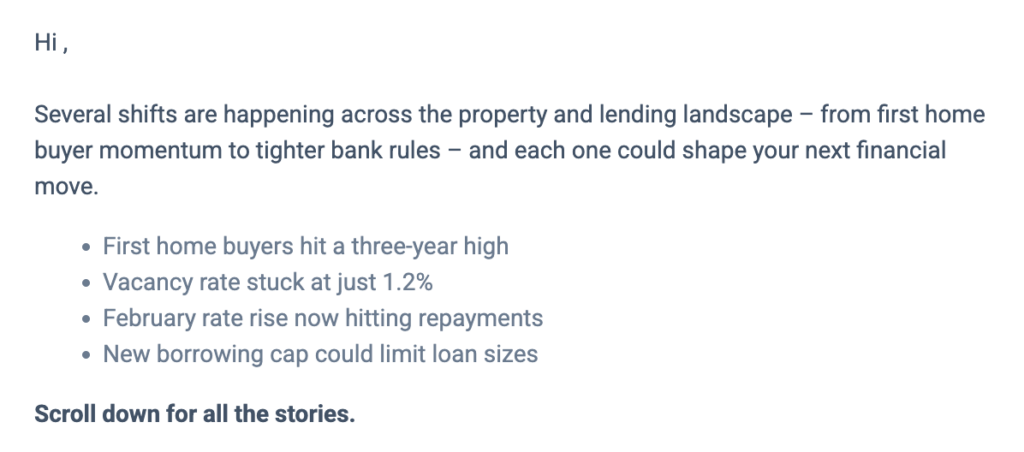
1. Opening summary
The email starts with a short overview of key market shifts. This gives readers a quick snapshot of what’s happening before they scroll further.
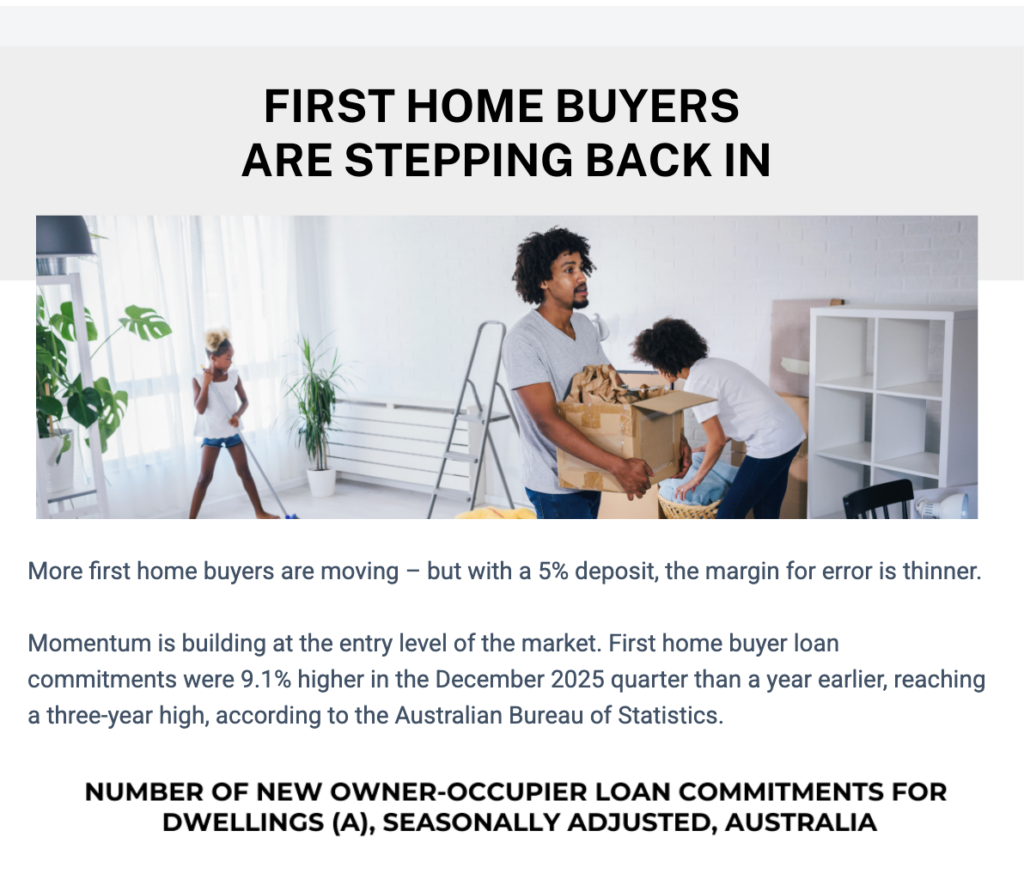
2. Headline-led sections
Each topic is broken into a clear headline and short supporting paragraphs. This makes the content easy to scan.
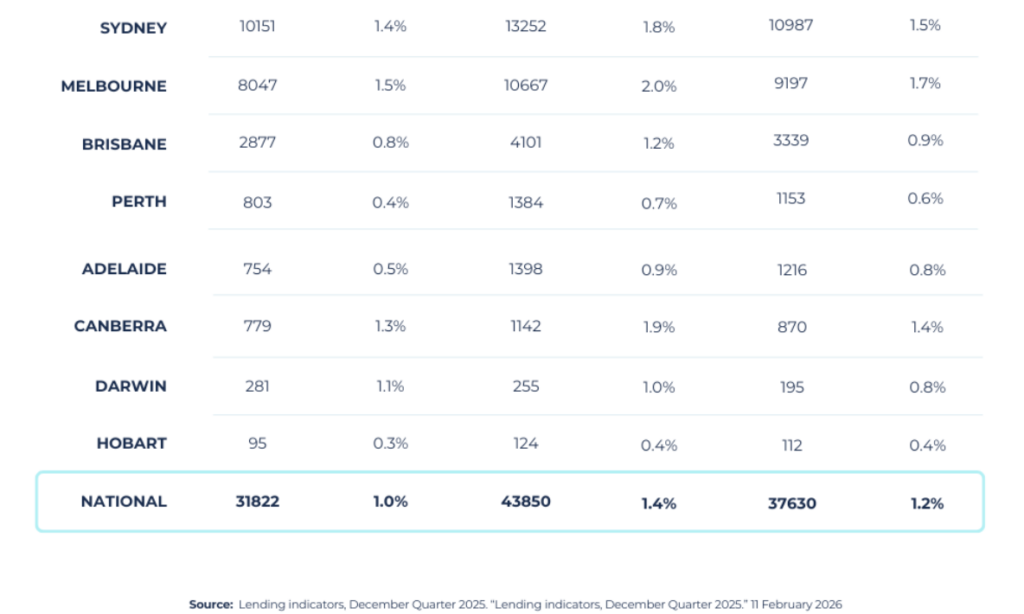
3. Local or relevant insight
Rather than broad commentary, each section explains what’s happening and why it matters in practical terms.
Complex topics like interest rates or lending rules are broken down into straightforward points.
4. Clear call to action
Each section ends with a soft next step, such as checking borrowing power or reviewing repayments.
Should You Automate Your Real Estate Newsletters?
You now know the structure behind a great real estate email newsletter – but how do you replicate this month by month? The answer is with automation.
Research from Beehiiv shows automated emails achieve nearly three times higher click-through rates than non-automated newsletter posts. That performance gap is driven by consistency and timing.
Instead of building from scratch each month, agents can pre-build structured real estate newsletter templates and supporting campaigns.
Take Harcourts Mandurah, one of the top-performing Harcourts offices in Western Australia. By rolling out automated newsletter campaigns across their team, they were able to maintain consistent client communication without adding manual workload.
Since implementing this approach, they have grown their database by 153%, doubled their market share, and maintained an unsubscribe rate of under 1%.
Here’s how to get started with email newsletter automation:
Step 1: Map your journey
Start by identifying how contacts tend to join your newsletter. Subscribers might come from website sign-up forms, home valuation tools, listing alerts, open house sign-ins, or social media campaigns.
Document these entry points and note what information you collect, such as location, buying intent, or property preferences. Next, consider what subscribers experience after joining. What information do they receive first? What content will encourage them to keep opening future emails?
Step 2: Plan your newsletter content
Plan recurring sections that readers will recognise each month. These might include new listings, local market updates, community highlights, buyer or seller advice, and recently sold properties.
Step 3: Automate with the right platform
The right platform simplifies designing, sending, and managing newsletters.
Look for tools that allow you to create professional layouts, organise subscriber lists, automate recurring campaigns, and personalise communication based on contact categories.
(Take a look at our blog on email automations for real estate agents)
Integrated CRM systems can also automatically sync new leads and track engagement metrics such as open rates and link clicks. Without these insights, improving newsletter performance becomes much more difficult.
Step 4: Define what success looks like
Before sending newsletters regularly, define the metrics that indicate success.
These might include open rates, click-through rates, subscriber growth, and unsubscribe levels.
When you know what works, it becomes easier to create future newsletters that subscribers genuinely look forward to reading.
You might also want to expand your email campaigns – get inspired with ideas with our piece on 3 powerful automations for busy real estate agents.
Ready to Get Started?
The goal is not to create the perfect email every month. It’s simply about staying present in the inboxes of the people who already know you. Over time, that steady visibility is often what leads to the next referral, listing, or even just a helpful conversation.
So if newsletters have been sitting on the “I’ll get to it eventually” list, consider this your nudge. Start planning your next campaign. Keep it simple and focus on sharing something useful with your audience. You might be surprised how quickly those small, consistent updates start working in your favour.
Need a hand? Take a look at how Active Pipe helps agents with newsletters and so much more.